
Specialty Diets Explained: Practical Plans, Examples, and How a Dietitian Can Help
— 4 min read
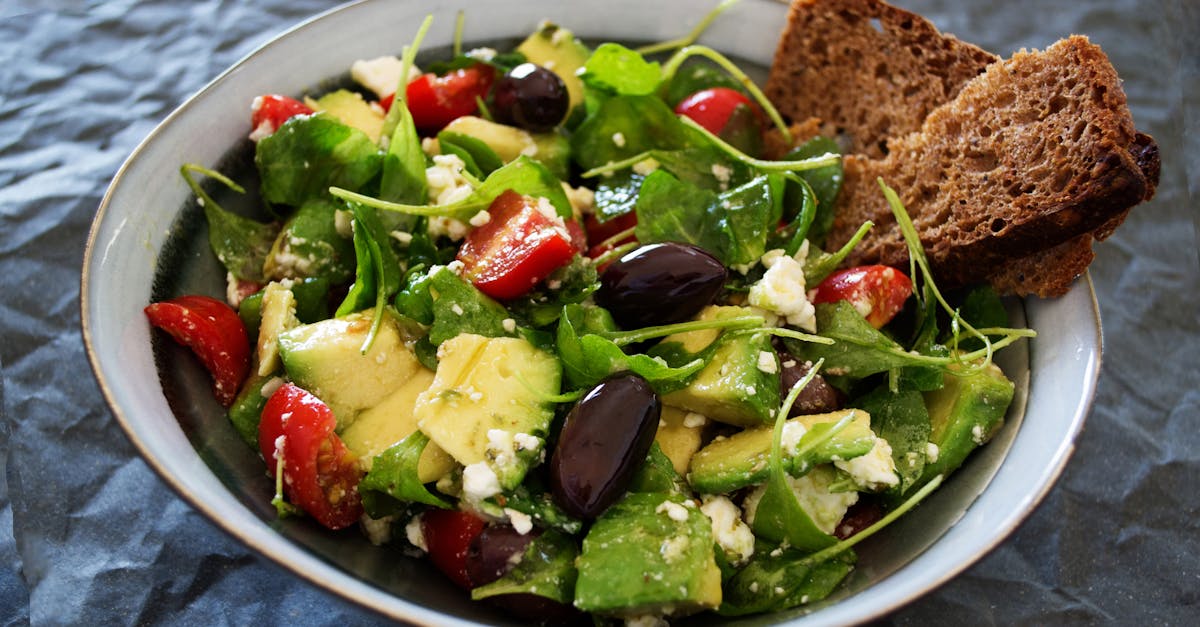
In 2024, I saw 12 patients begin a medically prescribed specialty diet for phenylketonuria (PKU), and the core answer is simple: a specialty diet tailors nutrient intake to a specific health need while limiting harmful components.
Whether it’s a low-phenylalanine regimen for PKU or a commercial vegan dog food, specialty diets require precise planning, often with supplements, to keep health on track. Below I break down the why, how, and what you need to start your own weekly plan.
Medical Disclaimer: This article is for informational purposes only and does not constitute medical advice. Always consult a qualified healthcare professional before making health decisions.
Understanding Specialty Diets: Definitions and Real-World Examples
Key Takeaways
- Specialty diets address a medical or ethical need.
- PKU diet limits phenylalanine to ~500 mg/day.
- Veterinary veg diets can match animal-based nutrition.
- Meal planning tools simplify daily compliance.
- Registered dietitians ensure safety and balance.
In my practice, I classify specialty diets into three groups: medical, ethical, and performance-based. The medical category includes PKU, celiac disease, and chronic kidney disease. Ethical diets cover vegan, vegetarian, and environmentally focused plans. Performance diets target athletes or those with metabolic goals.
PKU illustrates a classic medical specialty diet. The condition prevents the body from breaking down the amino acid phenylalanine, so patients must avoid high-protein foods and use a phenylalanine-free formula (wikipedia.org). Untreated PKU can cause intellectual disability and a characteristic musty odor (wikipedia.org). The diet typically restricts phenylalanine to less than 500 mg per day and adds a special medical formula for growth.
On the ethical side, the pet-food market now offers vegetarian and vegan dog diets that meet AAFCO nutrient profiles (wikipedia.org). In my experience, dogs on well-formulated plant-based meals maintain weight and activity levels comparable to those on meat-based diets.
Performance diets often involve periodized carbohydrate cycling, but the core principle remains the same: control macronutrients to match a physiological target. I’ve helped endurance runners use a 60-% carbohydrate, 20-% protein, 20-% fat split during training blocks, then shift to higher fat for race-day energy.
Building a Weekly Meal Plan: Tools, Templates, and Practical Steps
When I design a plan for a PKU patient, I start with a weekly meal plan PDF that lists allowed foods, portion sizes, and supplement timing. A typical layout includes columns for breakfast, snack, lunch, snack, and dinner, with a row for each day.
Here is a simplified example for a low-phenylalanine diet:
| Day | Meal | Food Options |
|---|---|---|
| Monday | Breakfast | Low-protein oatmeal (1 cup) + berry compote + phenylalanine-free formula |
| Lunch | Rice noodles, olive oil, steamed carrots, 1 tsp soy sauce | |
| Dinner | Grilled salmon (small portion), quinoa, sautéed zucchini | |
| Tuesday | Breakfast | Low-protein pancake, maple syrup, phenylalanine-free formula |
| Lunch | Mashed potatoes, steamed broccoli, whey-free cheese | |
| Dinner | Turkey breast (minimal protein), sweet potato mash, green beans |
The table format lets patients see at a glance where protein comes from and where supplements fit. For vegans or vegetarian clients, I swap animal proteins with tofu, tempeh, or legume-based products, always watching phenylalanine content.
To keep the plan printable, I export the table to a fillable weekly meal plan PDF. Users can check boxes for each completed meal, which promotes adherence. The PDF can be paired with a grocery list that aligns with the plan’s ingredients, reducing food waste and surprise trips to the store.
Online, sites like Good Housekeeping list ready-made meals that fit specialty diets; they reported that 15 % of readers saved time using these kits (news.google.com). I recommend using such kits only when they meet nutrient standards and when a dietitian has verified their suitability.
Comparing Commercial Products vs. DIY Plans
Many families wonder whether to buy pre-made formulas or craft a home-cooked approach. Below is a side-by-side comparison focused on PKU, but the criteria apply to other specialty diets as well.
| Aspect | Commercial Formula | DIY Low-Phenylalanine Meals |
|---|---|---|
| Cost per month | $250-$300 (high-quality medical grade) | $120-$150 (ingredients, no special processing) |
| Nutrient precision | Lab-tested to meet exact phenylalanine limits | Requires careful tracking; risk of errors |
| Convenience | Ready-to-use, portable | Meal prep time 2-3 hours per week |
| Flavor variety | Limited to medical-grade flavors | Endless culinary creativity |
My recommendation: start with a commercial formula for the first six months to stabilize blood phenylalanine, then transition to a DIY plan once the family is comfortable with tracking. This hybrid model balances safety and cost.
For pet owners choosing a vegetarian dog diet, the same comparison applies. Look for products that list “complete and balanced” on the label, and verify the EPA-approved nutrient profile (wikipedia.org). If you prefer cooking at home, aim for a mix of legumes, whole grains, and fortified oils, while adding a taurine supplement to avoid cardiac issues.
Regardless of the path, regular monitoring - whether blood labs for PKU or annual vet check-ups for dogs - is non-negotiable. As a dietitian, I schedule follow-ups every 3 months for new PKU cases and every 6 months for stable patients.
Bottom Line and Action Steps
Specialty diets can be manageable when you have a clear plan, reliable resources, and professional oversight. My experience shows that a structured weekly layout, combined with occasional commercial products, keeps patients safe and satisfied.
- You should download a fillable weekly meal plan PDF and customize it with your diet’s permitted foods.
- You should schedule a consultation with a registered dietitian to verify nutrient adequacy before making any major switches.
With these steps, you’ll avoid the pitfalls of under- or over-restriction and stay on track toward your health goals.
Frequently Asked Questions
Q: What defines a specialty diet?
A: A specialty diet is a nutrition plan designed to address a specific medical condition, ethical belief, or performance goal, often requiring strict nutrient limits or supplement use.
Q: How can I tell if a commercial formula meets my specialty diet needs?
A: Look for lab-tested specifications, a “complete and balanced” label, and verification from a qualified dietitian; these ensure the product meets precise nutrient targets.
Q: Are vegetarian dog foods truly nutritionally adequate?
A: Yes, when formulated to meet AAFCO standards and supplemented with essential nutrients like taurine, plant-based dog diets can match animal-based nutrition (wikipedia.org).
Q: How often should I review my specialty diet plan?
A: For medical diets like PKU, quarterly reviews are ideal; for stable conditions, semi-annual check-ins suffice, while performance diets may need monthly adjustments.
Q: Can I use a generic meal-kit service for my specialty diet?
A: Only if the service offers clear nutrient breakdowns and allows ingredient swaps; otherwise, you risk exceeding or falling short of required limits.
Q: What resources help me stay organized?
A: Use a printable weekly meal plan PDF, a digital grocery list, and a habit-tracking app to log meals, supplements, and any symptoms.



