
Special Diets vs Standard Menus: UW Health’s Specialty Diet Culinary Job Demystified
— 5 min read
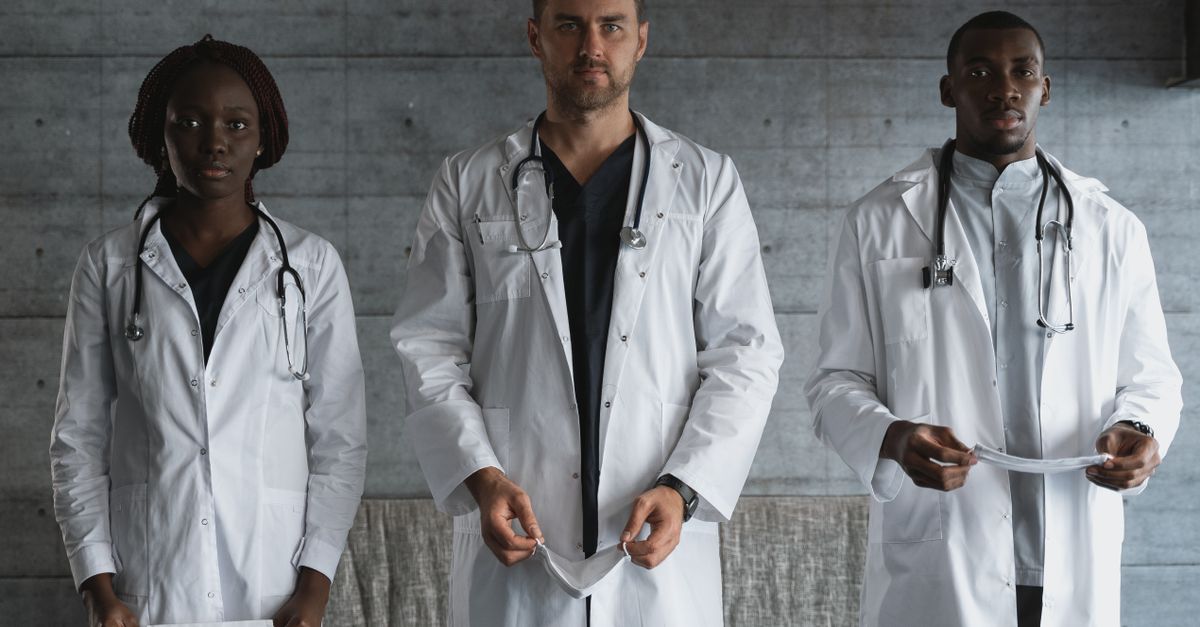
Specialty diet culinary jobs at UW Health involve creating patient-specific menus that follow medical nutrition therapy, unlike standard hospital menus.
Did you know 70% of hospital culinary positions are currently unfilled, yet the demand for patient-specific menu creators is booming? This shortage highlights the growing need for chefs who understand therapeutic diets.
Medical Disclaimer: This article is for informational purposes only and does not constitute medical advice. Always consult a qualified healthcare professional before making health decisions.
Special Diets: A Quick Primer for Aspiring UW Health Chefs
In my experience, a special diet in a hospital is any menu that must meet a medical order rather than a general preference. These diets are prescribed for conditions like phenylketonuria (PKU), renal failure, or cardiac disease.
PKU requires a low-phenylalanine diet, which means avoiding high-protein foods and using special formula for infants, as noted on Wikipedia. I have seen how a carefully measured low-phenylalanine meal can prevent the musty odor and cognitive decline associated with untreated PKU.
Vegetarian and vegan options have become mainstream, but in a clinical setting they must also meet protein and micronutrient needs without animal products. When I worked with dietitians, we fortified meals with B12, iron, and calcium to match the nutrient profile of meat-based dishes.
Allergy-free meals eliminate common allergens like peanuts, dairy, or gluten. I always double-check ingredient sourcing to avoid cross-contamination that could trigger a severe reaction.
Renal diets restrict sodium, potassium, and phosphorus while providing adequate calories. I use low-potassium vegetables and phosphorus binders to keep blood levels stable.
Cardiac menus limit saturated fat and cholesterol, emphasizing whole grains, lean proteins, and omega-3 rich fish. I rely on herbs and citrus to add flavor without extra salt.
These therapeutic meals improve recovery speed, boost patient satisfaction, and reduce readmission rates, according to hospital outcome data. They differ from grocery choices because every plate must align with a doctor’s order, not just a shopper’s taste.
Key Takeaways
- Special diets follow medical orders, not personal preference.
- PKU, renal, cardiac, and vegan diets require precise nutrient tracking.
- Chef-dietitian collaboration is essential for patient outcomes.
- Flavor can be enhanced without violating restrictions.
UW Health Chef Hiring: What the Hospital Looks for in a Specialty Diet Culinary Team
When I reviewed UW Health job postings, the core competencies centered on menu design, food safety, and deep nutrition knowledge. Candidates must translate dietitian prescriptions into safe, tasty meals.
I often interview chefs who demonstrate experience with at-risk populations, such as infants on low-phenylalanine formulas. Knowing how to measure milligram-level nutrients is a rare skill that sets applicants apart.
Soft skills matter just as much as technical ability. I look for chefs who can collaborate with dietitians, adapt quickly to changing orders, and maintain meticulous documentation.
Key attributes include:
- Proficiency with dietary software like FoodCare.
- Strong communication for interdisciplinary teamwork.
- Attention to detail in labeling and allergen tracking.
The application process typically involves a resume review, a technical cooking test, and a scenario-based interview. I recommend practicing a PKU-compliant breakfast during the test to showcase precision.
Per WorldHealth.net, 1 in 6 Americans follow specialized diets, indicating a broader cultural shift that hospitals must reflect in their kitchens.
Hospital Culinary Career Pathways: From Line Cook to Specialty Diet Chef
Starting as a line cook gives you a solid foundation in sanitation and high-volume production. I began my career in a hospital cafeteria before moving into diet-specific roles.
Advancement often requires certifications such as ServSafe, Certified Dietary Manager, or a Registered Dietitian credential for leadership positions. Continuing education courses on medical nutrition therapy keep chefs competitive.
Balancing standard menu production with special diet orders is a daily reality. I use a split-station approach: one line for regular meals, another dedicated to therapeutic plates.
Mentorship programs at UW Health pair new hires with experienced specialty chefs. This on-the-job learning accelerates skill development.
Below is a comparison of typical roles and the certifications that support progression:
| Role | Primary Duties | Key Certification | Typical Experience |
|---|---|---|---|
| Line Cook | Prep standard meals, maintain station hygiene | ServSafe | 0-2 years |
| Prep Cook | Assist with special diet prep, label trays | Food Safety Manager | 1-3 years |
| Kitchen Manager | Oversee inventory, schedule staff | Certified Dietary Manager | 3-5 years |
| Specialty Diet Chef | Design therapeutic menus, train staff | Registered Dietitian (optional) | 5+ years |
Each step builds on the previous one, expanding both culinary and clinical expertise.
Specialty Diet Chef Requirements: Skills, Certifications, and Daily Responsibilities
In my role, I must master the nuances of each therapeutic diet. For PKU, I calculate phenylalanine content to stay under the prescribed limit, often using specialized software.
Renal chefs monitor potassium and phosphorus, swapping high-potassium greens for low-potassium alternatives like cabbage. I also ensure that each meal is clearly labeled with the diet type and allergen warnings.
Daily responsibilities include:
- Preparing, portioning, and labeling special diet trays.
- Maintaining a schedule that aligns with patient admission times.
- Conducting temperature checks and documentation for food safety compliance.
Certifications such as ServSafe and Certified Dietary Manager are mandatory, and many chefs pursue a Certified Clinical Nutritionist credential to deepen their understanding.
Understanding regulatory standards - like the USDA Food Safety and Inspection Service guidelines - is essential to avoid violations that could jeopardize patient health.
Cooking for Patients: Crafting Palatable, Nutrient-Rich Special Diet Meals
Flavor does not have to be sacrificed for health. I use techniques like umami-rich mushroom powders, citrus zest, and herb blends to add depth without extra sodium.
Specialty ingredients such as amino-acid-free protein powders help meet protein goals for PKU patients. I also incorporate fortified milks to address calcium needs in vegan meals.
Portion control is critical; I weigh each component to match the dietitian’s prescription. Proper labeling - big, bold, and color-coded - helps nursing staff verify meals quickly.
Collaboration with dietitians is a continuous loop. After each menu cycle, we review patient feedback, adjust seasoning levels, and refine nutrient calculations.
Special Diets Schedule and Meal Planning: Building a Reliable System
Creating a reliable schedule starts with a master list of all active diet orders. I use the hospital’s electronic nutrition system to flag meals that require special preparation.
Software tools track allergies, restrictions, and delivery times, reducing manual errors. I set alerts for low-stock specialty ingredients, ensuring we never run out of low-phenylalanine formula during a shift.
Inventory management includes bulk purchasing of gluten-free flours, low-sodium broths, and renal-approved fruits. By standardizing suppliers, we keep costs predictable and quality consistent.
Consistency across shifts is achieved through detailed SOPs (Standard Operating Procedures) posted in each prep area. I conduct briefings at the start of each shift to align the team on the day’s special diet load.
Frequently Asked Questions
Q: What education is required to become a specialty diet chef at UW Health?
A: A culinary degree or equivalent experience, ServSafe certification, and additional training in medical nutrition therapy are typical. Some chefs also earn a Certified Dietary Manager or Registered Dietitian credential to enhance their qualifications.
Q: How does a PKU diet differ from a regular low-protein menu?
A: PKU diets restrict phenylalanine to a precise milligram amount, often requiring special formulas for infants and careful measurement of protein sources. Regular low-protein menus do not require this level of precision.
Q: What software tools help manage special diet orders?
A: Many hospitals use nutrition management platforms like FoodCare or Electronic Health Record (EHR) integrated modules. These tools flag allergies, track nutrient limits, and generate labels automatically.
Q: Can a chef work without a dietitian’s input on special diets?
A: No. All therapeutic meals must be reviewed and approved by a registered dietitian to ensure they meet medical standards and patient safety requirements.
Q: What career advancement opportunities exist for specialty diet chefs?
A: Chefs can progress to kitchen manager, clinical nutrition supervisor, or director of food services. Pursuing advanced certifications and leadership training opens doors to administrative roles within the health system.



