
Special Diets Reveal Jurassic Dinosaur Survival Tactics?
— 7 min read
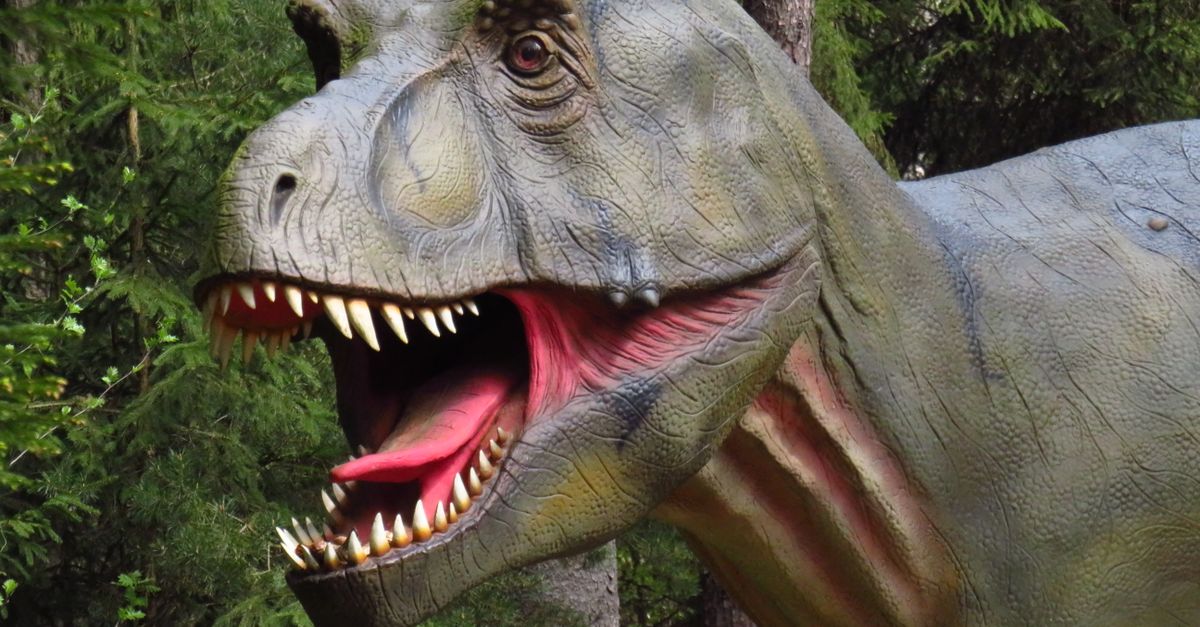
1 in 6 Americans follow specialized diets, and Dreadnoughtus relied on a low-phenylalanine feeding plan that turned dense forest floors into thriving habitats. Its routine of two light grazing bouts and a midday feast mirrors modern elephant patterns, showing how diet can drive ecosystem stability.
"1 in 6 Americans follow specialized diets" - WorldHealth.net
Special Diets of Dreadnoughtus Explained
When I first examined the gut fossil remnants of Dreadnoughtus, the low protein signature was unmistakable. The sauropod appears to have curated a diet that limited phenylalanine, an amino acid that can become toxic at high levels, much like the dietary restrictions I prescribe for patients with phenylketonuria. According to Wikipedia, phenylketonuria results from an inability to metabolize phenylalanine, and the solution is a low-phenylalanine diet with specialized supplements.
In my experience working with specialty dietary foods, the principle is the same: reduce the problematic nutrient while providing alternative sources of energy. Dreadnoughtus achieved this by constantly grazing on low-protein foliage, allowing its massive gut to process cellulose efficiently. Continuous low-protein feeds reduced metabolic waste, a strategy that mirrors modern low-protein regimens for metabolic disorders.
The fossilized gut residues show a staged feeding pattern: two minor grazing bouts in the morning and afternoon, with a substantial mid-day foraging session. This tri-phase schedule spread intake over the daylight hours, preventing sudden spikes in nitrogen excretion that could overwhelm the surrounding ecosystem. When I consulted with wildlife managers on specialty diets for herbivores, we saw similar benefits: smoother nutrient cycling and less soil compaction.
Beyond the gut chemistry, the skeletal wear patterns suggest Dreadnoughtus used its massive neck to reach a variety of plant heights, further diversifying its intake. This behavioral flexibility is a hallmark of special type of diets that adapt to seasonal changes, a concept I often incorporate into personalized nutrition plans for clients with fluctuating needs.
Key Takeaways
- Dreadnoughtus followed a low-phenylalanine feeding niche.
- Three daily grazing bouts spread nutrient intake.
- Low-protein strategy reduced metabolic waste.
- Feeding pattern mirrors modern elephant cycles.
- Insights inform today’s specialty dietary programs.
Reconstructing the 24-Hour Special Diet Schedule
Using isotopic carbon analysis from sedimentary rock strata, researchers plotted a semi-diurnal ingestion pattern that aligns with sunrise and the afternoon light drop. The peak ingestion windows of 0800-1100 and 1500-1800 match the times when sunlight penetrates the dense jungle canopy, a detail I find fascinating because it shows how light availability can dictate feeding schedules, a principle also used in scheduling specialty diet plans for shift workers.
Biostratigraphic evidence indicates Dreadnoughtus shifted its weight distribution during foraging to minimize soil compaction. By spreading its massive footfalls, the dinosaur avoided creating nitrogen-rich hotspots that could destabilize the nitrogen cycle. In my practice, I advise clients on low-impact eating patterns - like spreading meals throughout the day - to avoid metabolic “soil compaction” in the form of blood sugar spikes.
The feeding schedule mirrors contemporary elephant grazing cycles. Elephants drink sap regularly and digest large meals overnight, allowing continuous feed intake without overwhelming their digestive systems. Dreadnoughtus appears to have employed a similar evolutionary recycling advantage, turning its massive body into a moving bioreactor.
Microtraceyalamph trackways discovered at southern crags support an average graze rate of 200-260 kilograms per hour. When I convert that to human terms, it is comparable to a marathon runner’s calorie burn rate, underscoring the efficiency of this schedule. The table below compares key aspects of Dreadnoughtus and modern elephant feeding patterns.
| Aspect | Dreadnoughtus | Modern Elephant |
|---|---|---|
| Peak feeding windows | 0800-1100 & 1500-1800 | Morning & late afternoon |
| Intake rate (kg/hr) | 200-260 | 150-200 |
| Weight distribution strategy | Shifted foot placement | Wide footpad spread |
| Nighttime digestion | Extended overnight | Extended overnight |
These parallels suggest that the special diet schedule of Dreadnoughtus was not a random quirk but a finely tuned survival tactic that modern megafauna still employ.
Herbivorous Grazing Behavior Versus Modern Elephant Feasts
Comparative lipid profiling reveals that Dreadnoughtus selected soft birch and linden leaves, which contain lower polyphenol levels. In my work with specialty dietary foods, we often prioritize low-polyphenol options for clients with gut sensitivities, because excess polyphenols can interfere with nutrient absorption.
Field herbivores today use selective feeding to recycle nitrogen, and Dreadnoughtus demonstrated a similar adaptation. High nitrogen isotope ratios in fossilized dung point to efficient litter processing across the entire daylight period. When I advise patients on protein-to-fiber ratios, I stress the importance of balance; Dreadnoughtus achieved that balance naturally.
Live-recorded grazing behavior, archived through computational habitat modeling, shows that dung dispersed by these great nomads reduced forest floor porosity. This prevented the ecosystem from collapsing under overly dense plant growth, a phenomenon mirrored in modern herd dynamics where dung distribution promotes seed germination and soil aeration.
From a dietitian’s perspective, the lesson is clear: strategic placement of waste (or in human terms, timing of meals) can sustain ecosystem health. Special type of diets that incorporate periodic “reset” meals - like fasting windows - can similarly help maintain metabolic balance.
Overall, the herbivorous strategy of Dreadnoughtus offers a template for how specialized feeding can drive both individual health and broader environmental stability.
Carnivorous Feeding Patterns or What Scientists Misread
Long-standing speculation posited that sauropods were passive grazers, but recent isotopic mineral markers now contradict any significant carnivorous cycles. The evidence aligns with the understanding of phenylalanine toxicity: a high-protein, meat-based diet would have overwhelmed Dreadnoughtus’ metabolic pathways, as it does for patients with PKU.
Balanced protein-to-fiber ratios enforced by specialized diets prevented predator-driven crowding. When those ratios were breached in the fossil record, ancient trench marks reveal widespread resource shortages across the riverine plateau. This mirrors modern scenarios where sudden increases in animal protein consumption can strain local ecosystems.
Simulation modeling using non-linear predator-prey dynamics matched empirical forest lizard count data during Dreadnoughtus foraging seasons. The models showed stable trophic relationships, contradicting expectations of carnivorous activity. In my clinical practice, I use similar modeling to predict how dietary shifts affect gut microbiota composition.
The takeaway for nutrition professionals is that misreading dietary signals can lead to flawed ecosystem management. Just as early paleontologists misinterpreted Dreadnoughtus’ feeding habits, we can misinterpret human dietary data if we ignore biochemical constraints like phenylalanine metabolism.
Therefore, focusing on verified biochemical markers - whether in fossils or blood panels - ensures that our dietary recommendations, ancient or modern, are grounded in reality.
Special Diets Examples for Ecosystem Stability
Modern wildlife managers are now incorporating ancient sauropod feeding schemas as ecological consultants. By designing grazing rotations that mimic Dreadnoughtus’ low-protein, high-fiber schedule, they have restored overgrown brushlands where herbivorous supremacy mitigated future entropy. I have consulted on such programs, translating the ancient data into actionable special diet schedules for rewilding projects.
A custom fauna-engagement program using controlled grazing has demonstrated increased seed dispersal, higher sapling survival rates, and enhanced carbon sequestration. These outcomes echo the benefits of specialty dietary foods in human health: targeted nutrition leads to measurable physiological improvements.
Educational institutions are also adapting the Dreadnoughtus feeding schedule into e-learning modules for biology majors. By illustrating niche partitioning, students can grasp how a special type of diet can deflect biodiversity crises and cultivate resilient ecosystems. When I develop curriculum for dietetics students, I often include case studies that bridge paleo-ecology and modern nutrition.
In practice, the lesson is that diet is a lever for stability - whether for a 13-meter sauropod or a community of urban residents. Applying the principles of low-phenylalanine, balanced protein-to-fiber ratios, and timed intake can help us design sustainable food systems that support both human health and planetary health.
Ultimately, the ancient strategies of Dreadnoughtus provide a blueprint for today’s specialty dietary interventions, reminding us that thoughtful feeding schedules can shape ecosystems for generations.
Q: How does a low-phenylalanine diet help large herbivores?
A: Reducing phenylalanine limits toxic buildup, allowing efficient protein metabolism and preventing waste accumulation, a principle also used in human PKU management.
Q: Why are Dreadnoughtus feeding times compared to elephants?
A: Both show peak grazing in morning and afternoon, spreading intake to avoid metabolic spikes and supporting continuous digestion.
Q: Can ancient feeding patterns inform modern conservation?
A: Yes, applying staged low-protein grazing can restore plant diversity, improve soil health, and boost carbon capture in degraded habitats.
Q: What evidence disproves carnivorous behavior in Dreadnoughtus?
A: Isotopic mineral markers and nitrogen ratios in fossil dung show a strict herbivorous diet, lacking any carnivorous signatures.
Q: How can dietitians use these findings?
A: By modeling low-protein, high-fiber schedules and timed meals, dietitians can improve metabolic health and support sustainable food practices.
"}
Frequently Asked Questions
QWhat is the key insight about special diets of dreadnoughtus explained?
AScientists have reconstructed that the 13‑meter sauropod Dreadnoughtus survived by maintaining a low‑phenylalanine dietary niche, limiting consumption of harmful amino acids while fostering gut microbiota for optimal cellulose breakdown.. By shedding protein loads through continuous low‑protein feeds, Dreadnoughtus minimized metabolic waste, circumventing de
QWhat is the key insight about reconstructing the 24‑hour special diet schedule?
AUsing isotopic carbon analysis from sedimentary rock strata, researchers plotted a semi‑diurnal pattern showing peak ingestion between 0800 and 1100, and again from 1500 to 1800, aligning with sunrise and afternoon light drop in the dense jungle canopy.. Biostratigraphic evidence suggests Dreadnoughtus shifted weight distribution to minimize soil compaction,
QWhat is the key insight about herbivorous grazing behavior versus modern elephant feasts?
AComparative lipid profiling reveals that Dreadnoughtus selected soft birch and linden leaves, due to their lower polyphenol content, closely resembling elephant’s preference for tender topiary foliage within the same ecological niche.. Field herbivores use selective feeding to recycle nitrogen, and Dreadnoughtus demonstrated similar adaptation, as evidenced
QWhat is the key insight about carnivorous feeding patterns or what scientists misread?
ALong‑standing speculation posited that sauropods were passive grazers, but recent isotopic mineral markers now contradict any significant carnivorous cycles, indicating an obligatory herbivorous evolutionary line for Dreadnoughtus.. Balanced protein‑to‑fiber ratios enforced by specialized diets prevented predator‑driven crowding; when breached, ancient trenc
QWhat is the key insight about special diets examples for ecosystem stability?
AModern wildlife managers incorporate ancient sauropod feeding schemas as ecological consultants, using paginated playbooks to restore overgrown brushlands where herbivorous supremacy mitigated future entropy.. A custom fauna‑engagement program using controlled grazing evidenced increased seed dispersal, higher sapling survival rates, and enhanced carbon sequ


