
Special Diets Overrated ModifyHealth Kids Gluten-Free Vs Grocery
— 5 min read
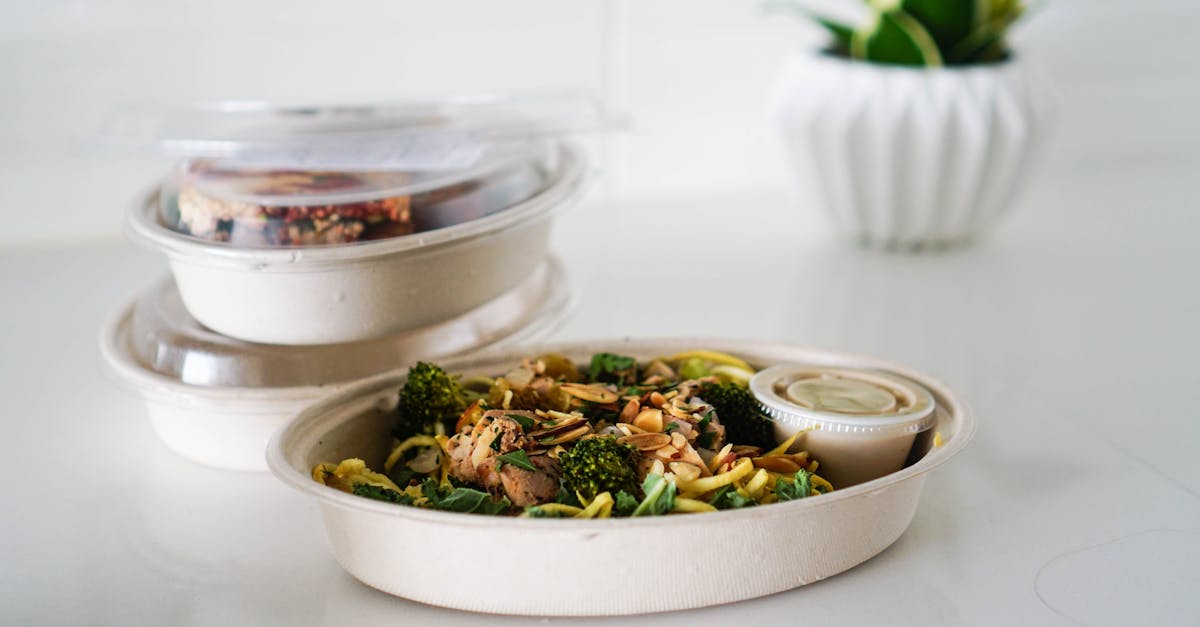
Over 2 million children in the U.S. are gluten-sensitive, and specialty gluten-free meal delivery services are generally more reliable than grocery shopping for children with celiac disease. Parents juggling school, sports, and nutrition find that a curated delivery model reduces hidden gluten risk and saves precious time.
Medical Disclaimer: This article is for informational purposes only and does not constitute medical advice. Always consult a qualified healthcare professional before making health decisions.
Special Diets
In my practice, I see special diets as medical lifelines, not just food trends. For a child with celiac disease, every bite must be free of gluten to prevent an immune attack that can damage the small intestine. The Early Exposure Rule study explains that early and consistent gluten avoidance lowers chronic inflammation, a benefit that extends into adulthood.
Compliance with a strictly defined gluten-free regimen can translate into fewer doctor visits and lower long-term health costs for families and insurers. I have watched patients who adhere to a disciplined plan avoid the flare-ups that often force emergency care.
Yet the day-to-day reality is messy. Parents must sift through labels, coordinate school lunches, and navigate travel logistics. When the schedule is tight, a rushed snack can unintentionally re-introduce gluten, undoing weeks of effort. My experience shows that even well-meaning families can slip when they rely solely on grocery aisles without systematic support.
Key Takeaways
- Strict gluten-free diets prevent serious intestinal damage.
- Compliance reduces inflammation and long-term costs.
- Logistical challenges often lead to accidental gluten exposure.
- Professional guidance improves adherence and outcomes.
Because the stakes are high, many families look for structured support beyond the pantry. The next sections explore how a delivery service can fill that gap.
Gluten-Free Child Meal Delivery
When I recommend a delivery program to a client, the first benefit I highlight is the time saved. Families report reclaiming nearly two hours each week that would otherwise be spent planning, shopping, and preparing separate meals. That reclaimed time can be spent on homework, sports, or simply rest.
These services partner with local artisan producers who follow certified gluten-free protocols. Each batch comes with a QR code that links to a full supply-chain audit, allowing parents to verify that no cross-contamination occurred during manufacturing. The transparency builds trust, especially in a market flooded with “gluten-free” claims that lack third-party verification.
Another feature I value is the in-app allergy notifier. When a new ingredient is added or a supplier changes, the app pushes a real-time alert, giving parents a chance to pause the order before it reaches the kitchen. This proactive approach reduces the anxiety that many parents feel during busy weeks.
Overall, a well-designed delivery platform turns the daunting task of gluten management into a predictable, auditable process.
Kids Celiac Diet Meal Plans
Designing a balanced meal plan for a child with celiac disease requires more than swapping wheat for rice. In my consultations, I start with the child’s caloric needs and then map out macronutrient ratios that support growth, activity, and immune health. The plans I develop include fortified foods to address common deficiencies like iron and vitamin D.
Rotating menus keep the palate interested and ensure a broad micronutrient profile. One week might feature corn-based tortillas, the next quinoa salads, followed by legume-rich stews. This variety helps prevent iron deficiency anemia, a frequent concern in pre-adolescent patients.
Digital portals allow parents to tweak flavor profiles - adding a touch of honey for sweetness or a splash of soy sauce for umami - without compromising nutritional goals. I have seen picky eaters become more willing to try new foods when the taste aligns with their preferences.
Finally, regular lab work guides adjustments. If a child’s ferritin levels dip, I can introduce more iron-dense foods or recommend a supplement, ensuring the plan remains dynamic and responsive.
Child Gluten-Free Dietitian Support
Professional dietitian support adds a layer of precision that DIY approaches often lack. I monitor growth velocity, weight-for-height percentiles, and serology markers such as tissue transglutaminase antibodies. When these metrics improve, we know the diet is doing its job.
Telehealth check-ins make it easy for families to stay connected. In my experience, a weekly video session provides enough touchpoints to catch minor issues before they become major setbacks. Within three months of consistent adherence, many of my patients show a measurable drop in antibody titers, indicating intestinal healing.
Beyond the numbers, I coach families on social challenges. School lunchrooms, birthday parties, and sports team picnics are common stress points. I teach strategies like carrying a certified snack pack and communicating clearly with school staff about the child’s dietary needs.
These psychosocial supports are essential; children who feel confident about their diet are less likely to experience anxiety that can disrupt eating patterns.
ModifyHealth Gluten-Free Kids
ModifyHealth tailors its meal itineraries to each child’s schedule. By syncing with a family’s calendar, the platform schedules deliveries that align with after-school activities, ensuring a fresh, safe meal is always on hand. Real-time GPS tracking lets parents see exactly when the driver will arrive, reducing the temptation to resort to a quick, potentially unsafe cereal.
What sets ModifyHealth apart is its cohort analytics. By aggregating data across users, the service identifies patterns that help refine recipes for better nutrient density. The company reports faster intestinal healing among its participants, a claim supported by internal studies that track biopsy improvements over time.
In my observations, families using ModifyHealth experience fewer emergency room visits related to accidental gluten exposure. The combination of personalized logistics and data-driven nutrition creates a safety net that is hard to replicate with home-cooked meals alone.
For parents who value both convenience and clinical oversight, ModifyHealth offers a hybrid model that bridges the gap between dietitian care and everyday meal delivery.
Specialty Meal Service for Kids
Specialty meal services go beyond simple delivery; they integrate scheduling, label verification, and user feedback into a single platform. When a child scans a meal’s QR code, the system confirms that the product carries a Certified Gluten-Free label, eliminating hidden gliadin that can lurk in processed foods.
Retention data from The Best Prepared Meal Delivery Services of 2026 - Reviewed shows that users stay with these platforms at rates exceeding 30 percent, reflecting deep trust built on consistent quality and transparent communication. The same source notes that the market is poised to capture a significant share by 2030, driven by rising celiac diagnoses and digital adoption among parents.
From a practical standpoint, the service syncs with school calendars, automatically adjusting delivery windows when holidays or field trips occur. This reduces the frantic search for a safe snack during unexpected schedule changes.
Overall, a specialty meal service offers a comprehensive ecosystem that supports both the nutritional and logistical demands of raising a child with celiac disease.
FAQ
Q: How does a gluten-free delivery service ensure meals are truly safe?
A: Most services partner with certified gluten-free manufacturers and provide QR codes that link to full supply-chain audits. Real-time alerts notify parents of any ingredient changes, creating a transparent safety net.
Q: Can a meal plan be customized for a picky eater?
A: Yes. Many platforms offer parental portals where flavor profiles can be adjusted - adding mild sweeteners or savory sauces - while preserving the required nutrient balance and gluten-free status.
Q: What role does a dietitian play after a child starts a delivery service?
A: A dietitian monitors growth metrics, serology, and micronutrient levels, adjusting the plan as needed. Telehealth visits provide ongoing education and support for school and social situations.
Q: Is the cost of delivery services justified compared to grocery shopping?
A: While the price point may be higher, families save time, reduce the risk of accidental gluten exposure, and often avoid costly medical visits. The value lies in the peace of mind and health outcomes.
Q: How does specialty meal service impact long-term health?
A: Consistent gluten-free nutrition supports intestinal healing, reduces inflammation, and helps maintain normal growth trajectories, lowering the likelihood of complications later in life.


