
Special Diets Examples vs Allergy Alternatives: Which Wins?
— 5 min read
Over 1 in 4 children have food allergies, according to HealthCentral.
Over 1 in 4 children have food allergies, and no single diet fits every case; the best approach matches the child's specific triggers and nutritional needs. Parents often feel stuck between generic meal plans and the need for safe, balanced nutrition.
Medical Disclaimer: This article is for informational purposes only and does not constitute medical advice. Always consult a qualified healthcare professional before making health decisions.
Special Diets Examples for Allergy-Sensible Kids
In my experience, starting with an allergen-elimination plan provides a clear roadmap. We list common triggers such as dairy, eggs, peanuts, and tree nuts, then remove them from every family meal.
Color-coded menus help the whole household see what is safe at a glance. Green squares indicate meals free of the listed allergens, while yellow highlights optional protein swaps like quinoa for wheat.
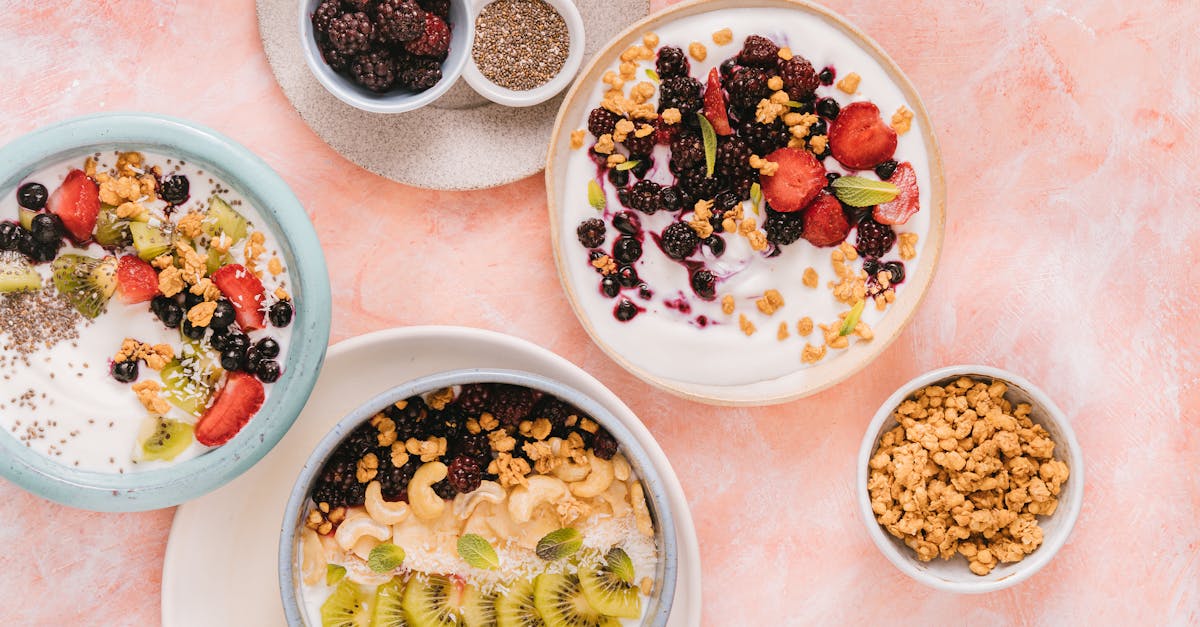
These menus are built around nutrient-dense substitutes, so protein and calcium stay adequate. For example, Greek-style yogurt made from coconut offers a creamy texture without dairy.
Quarterly check-ins with a registered dietitian keep the plan flexible. Immune tolerance can shift after holidays or travel, and a professional can adjust the elimination list safely.
When a new food is introduced, we use a short challenge period under medical supervision. This method reduces the risk of hidden reactions and builds confidence for future family gatherings.
Parents also benefit from keeping a simple symptom journal. Tracking itching, rashes, or digestive upset creates data that guides future diet tweaks.
Key Takeaways
- Identify top allergens and eliminate them consistently.
- Use color-coded menus for quick family reference.
- Include nutrient-dense substitutes to meet protein needs.
- Schedule quarterly dietitian reviews for safety.
- Track symptoms to fine-tune the plan.
Specialty Diets for Lactose-Intolerant Children
I often start by confirming lactase deficiency with a simple breath test. Once verified, the goal is to replace dairy with tolerated alternatives while protecting bone health.
Fermented soy drinks introduce beneficial microbes that may support gut comfort. Their natural probiotics complement a diet that avoids lactose.
Almond milk fortified with calcium and vitamin D serves as a practical swap in cereals, smoothies, and baking. These fortified drinks help maintain the minerals needed for growing bones.
Because many fortified milks are low in protein, we add a daily serving of calcium-rich tofu or tempeh. This keeps protein intake balanced without reintroducing lactose.
Consistent replacement is key; even occasional dairy exposure can trigger symptoms. I recommend labeling all dairy-free items clearly in the fridge and pantry.
Supplemental calcitriol tablets can be introduced when blood work shows low vitamin D, but only under physician guidance.
| Diet | Main Allergen Eliminated | Common Protein Substitute | Typical Supplement |
|---|---|---|---|
| Allergy-Sensible | Dairy, eggs, peanuts, tree nuts | Quinoa, coconut-based yogurt | Multivitamin with calcium |
| Lactose-Intolerant | Lactose | Almond or soy milk, tofu | Vitamin D, calcium |
| Gluten-Free | Gluten | Rice, millet, buckwheat flour | Iron, B-complex |
| Low-Carb | None (focus on carbs) | Animal protein, avocado | Biotin, electrolytes |
| Vegan | Animal products | Chickpeas, tempeh, pea protein | B12, zinc |
| PKU | Phenylalanine | Medical formula low in phenylalanine | Branched-chain amino acids |
Gluten-Free Diet Examples for Children with Celiac
When I work with a child diagnosed with celiac disease, the first step is a strict gluten-free rule. This means eliminating wheat, barley, and rye from every dish.
Rice, millet, and buckwheat become staple grains, allowing us to bake cookies and breads that still taste familiar. I often use a blend of these grains to hit target carbohydrate levels.
Cross-contamination is a real concern, so I recommend separate toasters, cutting boards, and storage containers. Lab testing of kitchen surfaces can confirm that gluten residue stays below detectable limits.
Iron absorption often improves when gluten is removed, because the intestinal lining heals. To support this, I add iron-rich foods like lentils and spinach, paired with vitamin C sources.
Regular monitoring includes a PCR-based stool panel every three months. This test checks for hidden gluten fragments and helps keep exposure under safe thresholds.
Family meals become an opportunity to model safe eating. I involve the child in choosing a gluten-free recipe each week, which boosts confidence and adherence.
Low-Carb Diet Options for Weight-Management in Picky Eaters
In my practice, low-carb plans work well for children who prefer protein over grains. We focus on lean meats, sautéed greens, and healthy fats like avocado.
Portion control is built around a plate method: half non-starchy vegetables, a quarter protein, and a quarter low-carb side such as cauliflower rice.
To avoid hunger spikes, I add biotin-rich eggs or nuts as snack options. These choices keep energy steady through school days.
Sodium intake is a common pitfall, so I swap salty sauces for herb-based marinades. Fresh rosemary, thyme, and garlic add flavor without excess salt.
Weekly “flavor night” lets families experiment with new herbs, keeping meals interesting and reducing reliance on processed sauces.
Growth monitoring includes regular height and weight checks, ensuring the calorie deficit supports healthy development rather than stunting.
Vegan Diet Recipes for Allergy-Sensitive Sprouts
When I guide a teen who avoids both animal products and common allergens, I start with a protein base of chickpeas and tempeh. These foods deliver the amino acids needed for brain growth.
Fortified B12 powders are mixed into smoothies each morning, guaranteeing the micronutrient that vegan diets lack.
Zinc can be scarce, so I incorporate tomato-based sauces enriched with pumpkin seeds. Pairing these sauces with citrus juice boosts iron absorption, balancing mineral intake.
Batch-cooking beans on the weekend saves time during the school week. I store them in portion-sized containers and plan each day’s menu in a simple spreadsheet.
This routine reduces last-minute grocery trips and lowers stress for busy families, as reported by dietary psychologists.
To keep meals appealing, I rotate flavors - adding curry powder one night, smoked paprika the next - so the palate never gets bored.
Special Diets Examples for PKU Kids
PKU requires a strict low-phenylalanine diet, and I begin by prescribing an FDA-approved medical formula that supplies essential amino acids without the offending compound.
The formula is combined with carefully measured servings of low-protein fruits, vegetables, and specialty gels that provide phosphorus for bone health.
These gels, introduced in 2021, have become a convenient way to meet mineral needs without raising phenylalanine levels.
Home testing kits allow families to check plasma phenylalanine every other day. Maintaining levels below the therapeutic threshold prevents neurological complications.
Regular dietitian visits reinforce portion accuracy and monitor growth metrics, ensuring the child stays on a healthy trajectory.
Education sessions with schools help staff understand the diet, reducing the risk of accidental exposure during meals.
Frequently Asked Questions
Q: How do I choose which special diet is right for my child?
A: I start with a thorough medical assessment to identify any diagnosed allergies, intolerances, or metabolic conditions. From there, I match the diet that eliminates the specific trigger while providing balanced nutrition, and I involve the family in a trial period to gauge fit.
Q: Can a child follow a gluten-free diet without celiac disease?
A: Yes, some families choose a gluten-free approach for symptom relief, but I recommend confirming the need with a healthcare provider. Unnecessary restriction can limit fiber and nutrient intake, so professional guidance is essential.
Q: What are practical ways to avoid cross-contamination at home?
A: I advise using separate cooking utensils, storage containers, and even toasters for allergen-free foods. Cleaning surfaces with a dedicated sanitizer and labeling all safe items helps keep everyone aware of what is permissible.
Q: How often should a child on a PKU diet see a dietitian?
A: For PKU, I schedule quarterly visits to review formula intake, growth charts, and blood phenylalanine levels. More frequent contact may be needed during growth spurts or if the child experiences symptoms.
Q: Are there reliable meal-delivery services for specialty diets?
A: According to Good Housekeeping, several meal-delivery services now label their menus for common allergens and offer gluten-free, dairy-free, and vegan options. I recommend reviewing the ingredient list and confirming that the provider follows strict cross-contamination protocols.


