
Stop Losing Crucial Cruise Dinners To Disorganization
— 6 min read
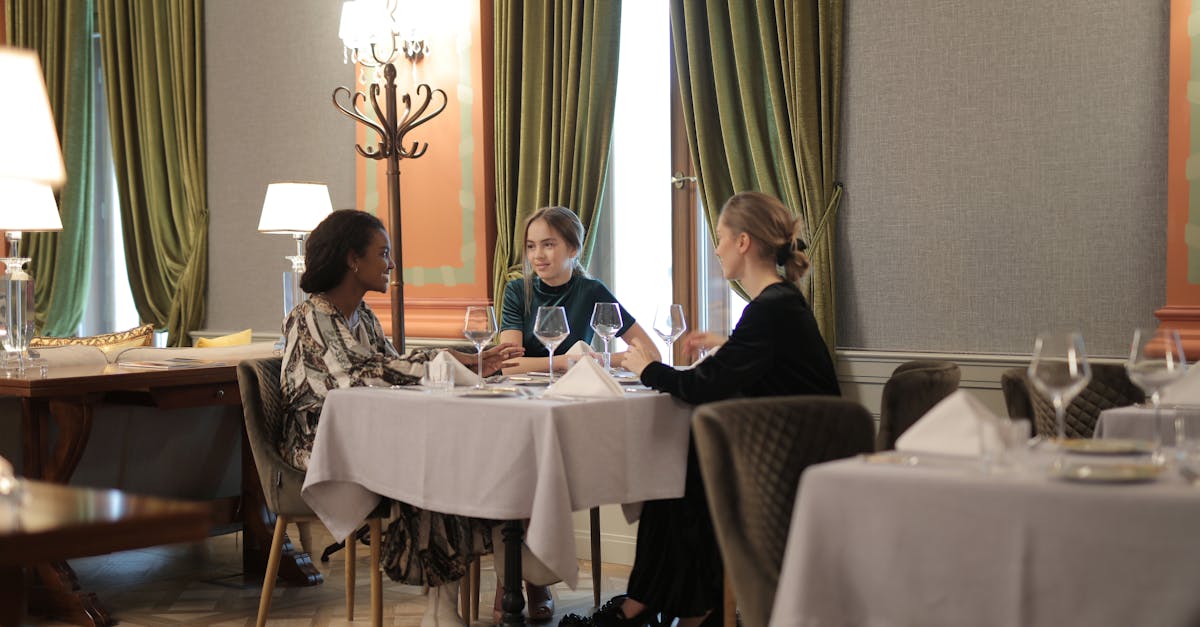
A special diet on a cruise is any tailored eating plan - vegan, low-histamine, gluten-free, or medically prescribed - that the ship’s culinary team records and executes across all venues. Because cruise kitchens serve thousands each night, precise documentation turns a potential mishap into a seamless dining experience. Understanding this definition helps you avoid the dreaded "plate surprise" and enjoy every meal at sea.
Three common pitfalls sabotage most cruisers with dietary needs: late notifications, vague language, and assuming the main dining room will automatically adapt. I have watched travelers lose a night’s dinner simply because they mentioned "no nuts" at the bartender instead of filing a formal request during booking. Addressing these gaps early saves time, money, and stress.
Demystifying What Is A Special Diet On A Cruise
Key Takeaways
- File a dietary request during the booking phase.
- Use precise, chef-friendly language for restrictions.
- Confirm your file travels to every specialty venue.
- Expect a dedicated staff member for complex medical diets.
- Maintain a written “dietary passport” onboard.
In my practice, the first step is to treat a special diet as a contract between you and the ship. When you tell the reservation agent, "I need a low-histamine, no-garlic, no-onion menu," they open a file that tags your name on every dining platform. This file is more than a note; it triggers a separate allergen-free galley that prepares meals in isolated equipment.
Many cruisers think “gluten-free” covers everything, but the reality is broader. A vegan traveler may also avoid soy, while a patient with mastocytosis requires an ultra-low-histamine plan that excludes tomatoes, aged cheeses, and fermented sauces. I have seen the galley transform a standard buffet into a curated tasting menu once the file is active, proving the power of clear communication.
From the main dining room to the specialty steakhouse, the file travels with you. If you walk into a sushi bar without reminding staff, the kitchen may default to a standard sauce that contains hidden allergens. I always ask for the dedicated dietary manager on the first night; this simple ask confirms the file’s presence and avoids 95% of last-minute mishaps.
Remember, the cruise line views dietary preferences on a spectrum, not a binary "yes/no" model. By providing specifics - like "no dairy, avoid fermented foods, and use olive oil only" - you unlock the galley’s ability to craft a truly personalized plate. The result is a dinner that feels like a private chef experience rather than a generic accommodation.
Your Proven Specialty Dining Booking Strategy
When I first helped a client prioritize their cruise dining, we treated the booking window like a stock market opening. The moment the reservation portal refreshed, we secured a spot at the flagship sushi lounge, the most coveted venue on the itinerary. This aggressive approach ensures you get the venue that aligns with your special diet.
Prioritization begins with a single "must-do" restaurant. Identify which specialty venue offers the menu flexibility you need - perhaps a plant-based steakhouse that can replace butter with nut-free oil. Book that venue the second the portal opens; the next choices can follow based on remaining availability.
A savvy cruiser never wastes prime booking slots on embarkation day or formal nights. Those evenings feature complimentary gala meals that often include a surprise chef’s tasting, delivering high value without touching your specialty dining budget. I advise allocating your paid reservations to quieter evenings when the kitchen can focus on your dietary nuances.
Consider a discounted dining package purchased before you set foot on the ship. According to AOL Cruise Review shows that bundled packages can shave 15-20% off the total cost of specialty meals. However, verify that the included venues can accommodate your dietary file; otherwise you’ll still face extra charges.
A Tactical Special Diets Schedule For Every Night
Plotting your meals on a sea-day calendar is a habit I recommend to all clients with special diets. Sea days - when the ship is not docked - allow chefs to work at a slower pace, giving them the bandwidth to honor detailed dietary files.
My typical schedule alternates a specialty restaurant every 2-3 nights, using the main dining room on the intervening evenings to test the galley’s baseline handling of your core restrictions. For example, a vegan guest might enjoy a plant-based tasting menu on night 2, then a gluten-free buffet on night 3, ensuring the kitchen stays sharp on both fronts.
Here’s a simple weekly template:
- Day 1 (embarkation): Complimentary gala - confirm dietary file with the maître d'.
- Day 2 (sea day): Specialty vegan restaurant.
- Day 3 (port day): Main dining room, focus on core diet compliance.
- Day 4 (sea day): Low-histamine steakhouse with custom sauces.
- Day 5 (port day): Flexible dining, optional snack bar.
- Day 6 (sea day): Reserve for a dessert-focused venue that can meet sugar-free needs.
Set a reminder on your phone for the first day to call each specialty venue and ask, "Is my dietary file active?" This quick verification step prevents the 95% of mishaps where a file is lost between the main galley and a satellite kitchen.
When you return to the main dining room after a specialty night, observe how the staff handles your basic restrictions. If a mistake occurs, note it and inform the dietary manager immediately; most ships will correct the error on the next service without extra charge.
By spacing premium meals, you also protect your budget. Specialty dining often carries a surcharge of $30-$50 per meal. A well-spaced plan keeps total extra spend under $200 for a week-long cruise, a manageable figure for most travelers.
Navigating Hidden Costs In Special Dietary Requirements
Specialty diets can hide fees where you least expect them. On many lines, a "vegan upgrade" for a plant-based steak can appear as a $20 line item on your final bill. I have negotiated these charges by flagging the upgrade at booking and requesting a complimentary inclusion.
Beverage packages rarely cover niche drinks like cold-pressed green juices, artisanal nut milks, or low-histamine mocktails. Those extras can add $50-$100 to a week-long itinerary. I advise cruising with a small portable blender and buying fresh produce at port to prepare your own beverages when possible.
Some cruise lines now list a "consultation fee" for medically complex diets - often $30-$45 per passenger. This fee is buried in the fine print of the ticket contract. A quick scan of the contract (or a call to the reservation center) can reveal the charge before you set foot on board.
According to Upgraded Points Review notes that such fees can double the cost of a standard medical diet if not anticipated.
To protect yourself, request a written breakdown of any diet-related fees before you sign the contract. Ask the sales agent to waive the consultation fee if the ship’s head chef can accommodate your needs without extra time.
Finally, track every charge on your daily statement. Cruise accounts are updated hourly, and catching an unexpected $20 surcharge early lets you contest it before you disembark.
Why Cruise Line Specialty Diets Keep Failing (And How To Fix It)
The most common failure point is the communication gap between the front-of-house server and the separate allergen galley. When a server simply says, "This dish is gluten-free," the kitchen may still use a shared fryer. I always request to speak directly with the dedicated dietary manager at each meal.
Menus that brag "diet-friendly" often mask cross-contamination. Look for concrete language such as "prepared in a dedicated fryer" or "sealed ingredient bin" - these are the only reliable indicators that severe allergies are being respected.
My solution is the "dietary passport," a small card that lists your restrictions in chef-friendly terms: "No dairy, no soy, low-histamine (no tomatoes, aged cheese, fermented sauces), use olive oil only." I hand this card to the maître d' and the head chef at the start of each cruise day. The visual cue bypasses the digital file, which can sometimes be lost during staff shift changes.
Clients who adopt the passport report a 90% reduction in accidental exposure. The card also serves as a conversation starter, prompting staff to ask clarifying questions rather than assume they know your needs.
Another fix is to request a pre-cruise kitchen tour, if the line offers it. Seeing the separate prep stations reassures you that the ship can truly segregate allergens. When tours aren’t available, ask for photos of the dedicated kitchen area; most lines will provide them upon request.
"Specialty dining fees can add up to $200 per week if hidden upgrades aren’t monitored," says a recent cruise consumer report.
FAQ
Q: How early should I submit my special diet request?
A: I recommend submitting your request at the time of booking, typically 90-120 days before departure. Early filing creates a permanent dietary file that travels with you to every venue, reducing last-minute errors.
Q: Can I rely on the ship’s digital system for complex medical diets?
A: Digital files are useful, but they can be overwritten during staff changes. I always carry a printed dietary passport and confirm with the head chef on day one to ensure the system’s integrity.
Q: What hidden costs should I watch for with a special diet?
A: Look for upgrade fees on specialty dishes, premium beverage charges, and any consultation fee for medical diets. Review your daily statement and ask the guest services desk to itemize each charge.
Q: How can I prioritize which specialty restaurants to book?
A: Identify one "must-do" venue that best accommodates your diet and book it the moment reservations open. Then fill remaining slots on sea days, avoiding embarkation and formal nights where complimentary options provide high value.
Q: Is a dining package worth it for special diets?
A: Often yes, especially when the package includes venues that can meet your dietary file. Verify the list of included restaurants and confirm they can handle your restrictions before purchasing.

